
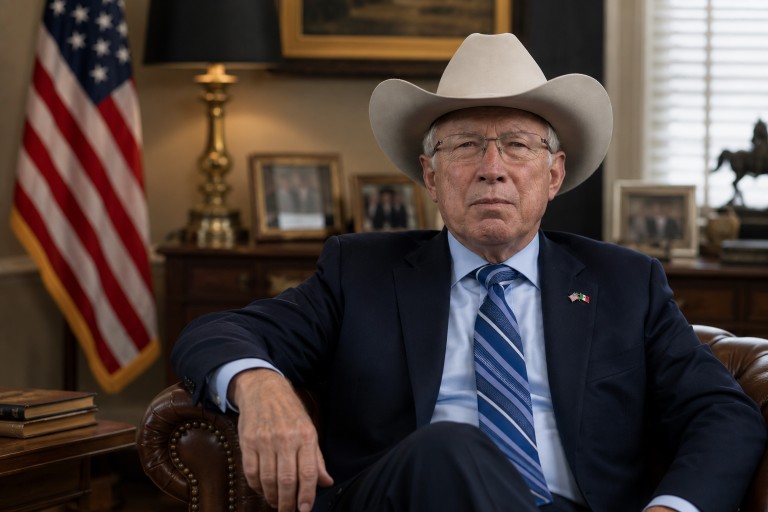
In his soon-to-be-published memoir, Ken Salazar, the former U.S. Ambassador to Mexico, asserts that no American law enforcement agents were present on the aircraft that brought alleged Sinaloa Cartel leader Ismael “El Mayo” Zambada to the United States. This revelation comes amidst ongoing inquiries by Mexican authorities into the details of Zambada’s transfer, with some officials accusing Salazar of disseminating misleading information about the operation.
The circumstances surrounding Zambada’s extradition have stirred diplomatic friction between Mexico and the United States. As both nations strive to understand the specifics of how one of Mexico’s most notorious cartel leaders came into U.S. custody, questions have arisen about the transparency and legality of the process. Salazar’s account is expected to shed light on these matters, offering insight into a contentious episode in the complex relationship between the two countries.
Salazar’s upcoming memoir, titled “Borderlands,” promises to delve deeper into the incident, potentially clarifying his role and the broader implications for U.S.-Mexico relations. The former ambassador’s tenure in Mexico was marked by several high-stakes issues, including cartel violence and cross-border crime, making his perspective particularly significant in the ongoing dialogue about bilateral cooperation on security matters.
The debate over Zambada’s transfer underscores the delicate nature of diplomatic interactions when dealing with high-profile criminal figures. Both the U.S. and Mexican governments are eager to maintain a collaborative front in their efforts to combat drug trafficking and organized crime. However, this incident highlights the challenges of navigating legal and procedural differences between the two nations.