
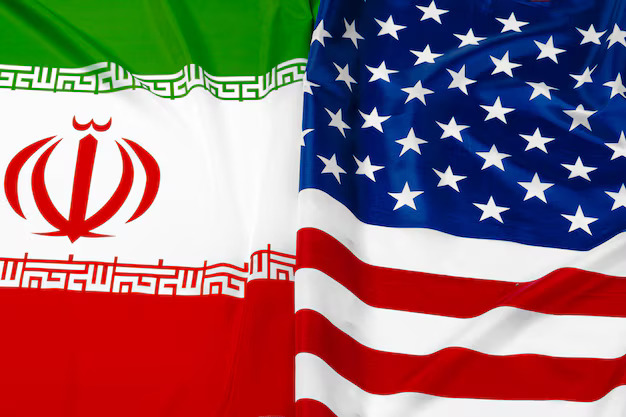
The United States and Iran have successfully negotiated a peace agreement intended to conclude nearly four months of hostilities in the Middle East. This accord, confirmed by senior officials from each nation, mandates an immediate cessation of military activities across all fronts, including in Lebanon. A pivotal component of the agreement involves the reopening of the Strait of Hormuz, a crucial global shipping lane, as declared by US President Donald Trump. This move is anticipated to resume international oil shipments, thereby alleviating pressures on global energy markets. However, the precise schedule for fully restoring access to the waterway remains uncertain, with differing statements emerging from both nations.
The peace agreement includes a provision for a formal signing ceremony slated to occur in Geneva on June 19. Among its key elements is the lifting of US naval restrictions and the reestablishment of commercial shipping through the Strait of Hormuz. This initiative is expected to grant Iran enhanced access to international oil markets, providing a much-needed boost to its struggling economy. Nevertheless, more complex issues, such as Iran’s nuclear programme, are set to be addressed during a designated 60-day negotiation period, with the aim of forging a broader and more comprehensive deal.
Tensions in Lebanon, recently exacerbated by Israeli military actions, had raised concerns about the stability of negotiations. Iran maintained that any agreement must encompass all regional conflicts, including those involving Hezbollah in Lebanon. Despite these challenges, the current agreement is seen as a significant diplomatic breakthrough, though analysts remain cautious about the feasibility of resolving entrenched disputes within the proposed timeline. There are ongoing concerns related to regional security, especially regarding Iran’s missile programme and its support for allied groups across the Middle East.
The reopening of the Strait of Hormuz is poised to benefit global energy markets, but experts caution that normalizing shipping operations and repairing infrastructure damaged by the conflict could take several months. While the peace agreement has been largely welcomed, the path to a lasting resolution involves navigating a landscape fraught with longstanding geopolitical tensions and competing interests. Those involved in the negotiations are hopeful that this accord will be a stepping stone towards more stable relations in the region.