
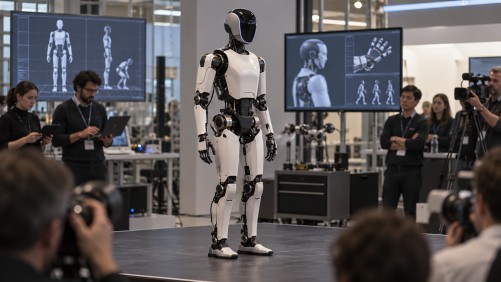
OpenAI is taking steps to bring artificial intelligence into the physical realm by developing a humanoid robot, with a potential demonstration slated for 2027. CEO Sam Altman has emphasized the challenges involved, particularly in creating AI systems that can understand their surroundings, follow instructions, and control machines with human-like reliability. By designing robots with a human form, OpenAI aims to ensure they can operate effectively within environments designed for human use.
While specific details about the robot’s final design and capabilities remain under wraps, the project will demand significant advancements in areas such as perception, movement, decision-making, and the integration of mechanical components to safely perform tasks. OpenAI is actively recruiting experts in robotics software and hardware, including those specializing in control systems, motion technologies, motor design, and machine learning, indicating a comprehensive approach to building the necessary technological infrastructure for these robotic applications.
The company faces competition from the likes of Tesla and its Optimus robot, as well as Chinese automaker XPENG, which has unveiled its IRON robot. These developments reflect a growing interest in merging AI with machines that can undertake physical tasks, suggesting a burgeoning field of AI-driven robotics.
Beyond the humanoid concept, OpenAI envisions the creation of general-purpose robots capable of assisting skilled workers in infrastructure projects and potentially supporting a broader array of daily activities. The company is also exploring other robotic designs beyond the humanoid model, aiming for versatility and practicality in diverse applications.