
The United States has intensified its economic pressure on Iran with a new set of sanctions aimed at the Iranian government and entities that continue commercial interactions with Tehran. US Treasury Secretary Scott Bessent announced that the strategy would include the broader application of secondary sanctions against nations, corporations, and other entities engaging economically with Iran. He issued a cautionary note to businesses still dealing with Tehran, highlighting the risk of incurring US-imposed penalties.
These measures are part of a broader effort to curtail Iran’s international revenue streams, thereby weakening its financial capacity to sustain government operations. This approach is intended to apply significant pressure without resorting to immediate military actions. While no specific timeframe has been established for countries or companies to cease their dealings with Iran, US officials have emphasized that their patience is not limitless.
Amidst these developments, Iran is grappling with worsening economic conditions. The value of the Iranian rial has seen a sharp decline, compounded by the impact of stringent limitations on oil exports, which serve as a critical revenue source for the country. The sanctions could also strain relations with nations maintaining economic links to Iran, including China, Russia, India, Pakistan, Qatar, and Turkey.
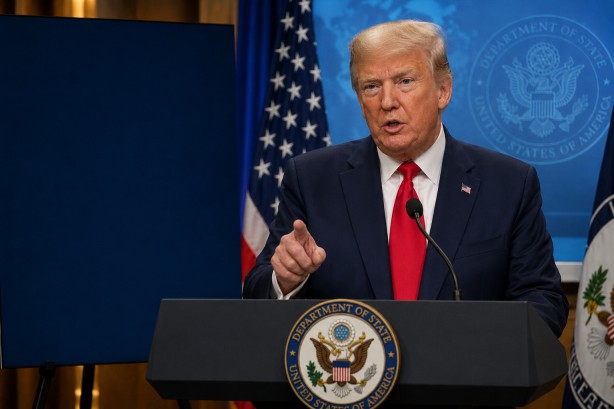
US President Donald Trump has characterized Iran’s situation as increasingly precarious as the US continues to pursue a comprehensive agreement with Tehran, alongside separate negotiations related to the strategic Strait of Hormuz. The ultimate success of the newly imposed sanctions will hinge significantly on the degree to which other nations and businesses adhere to Washington’s constraints and whether these efforts effectively curtail Iran’s access to foreign income.