
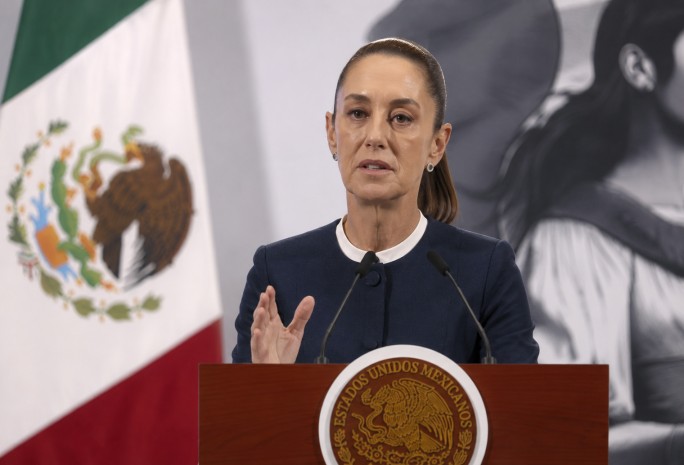
Amidst new trade tensions, Mexican President Claudia Sheinbaum has announced efforts to ensure long-term trade stability following the United States’ decision to impose a 10% tariff on Mexican exports that do not fall under the USMCA trade agreement. Sheinbaum criticized the tariffs as a unilateral move by the U.S., emphasizing Mexico’s commitment to preventing future unexpected tariffs and maintaining its preferential trade status compared to other nations.
The Mexican government is navigating these challenges in the context of ongoing negotiations with the U.S., which have been complicated by what Sheinbaum describes as President Donald Trump’s protectionist trade policies. These policies have led to sector-specific tariffs that impact products like automobiles, steel, aluminum, and other raw materials. Sheinbaum stressed the need for a long-term trade agreement that can provide stability for investors and bolster Mexico’s position in international trade.
The discussions between Mexico and the United States are occurring as both countries are in the process of reviewing the USMCA trade agreement. U.S. officials are advocating for stricter regional content rules in certain industries, a point of contention as Mexico pushes for a model of regional integration that would benefit both economies and preserve the strong trade ties that currently exist.
Mexico’s strategic focus is to secure trade conditions that are both stable and beneficial, despite the current U.S. administration’s approach to trade. The administration’s aim is to establish a framework that not only shields Mexico from sudden tariff changes but also fosters a predictable environment for future investments. This comes as the country seeks to enhance its economic partnerships and ensure a robust trade relationship with its northern neighbor.