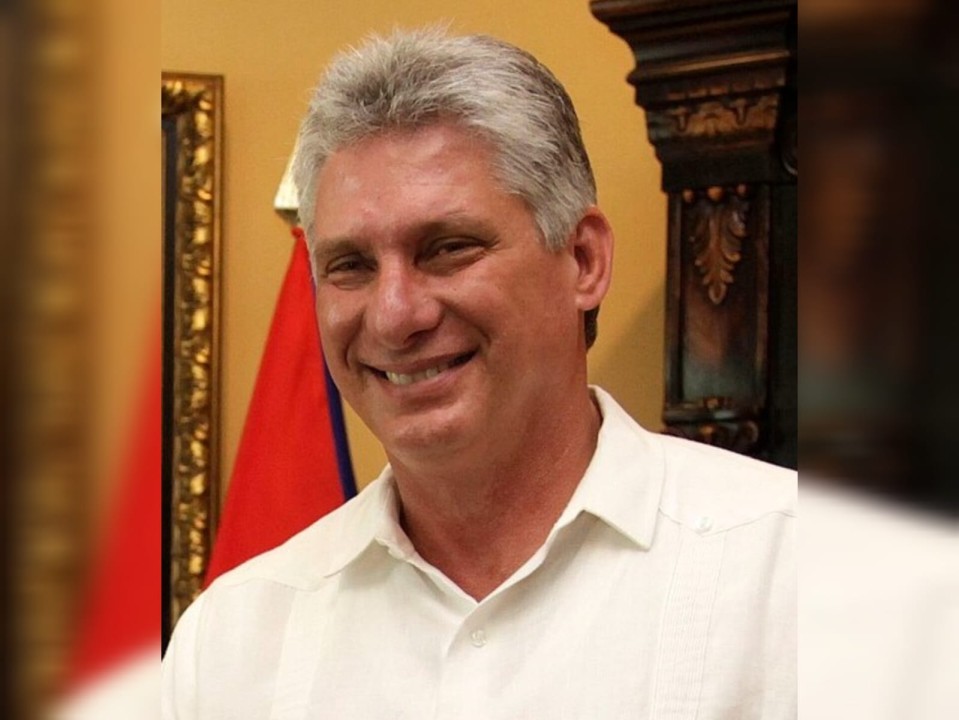
The United States has rolled out a fresh set of economic sanctions aimed at the top echelons of Cuba’s leadership, casting a wide net that includes President Miguel Díaz-Canel, his family members, and figures from the influential Castro family. This move comes as part of a broader strategy to exert more pressure on the Cuban government, a measure that also targets entities tied to Cuba’s military and state-linked organizations. Among those affected are the Ministry of the Revolutionary Armed Forces and several associated institutions.
These sanctions are not limited to individuals currently in power; they also reach those connected to former President Raúl Castro. Although Raúl Castro holds no official government position at present, his influence within Cuba’s political framework remains significant. The sanctions are designed to tighten economic and diplomatic constraints, with US Secretary of State Marco Rubio warning that penalties could extend to foreign banks and companies that engage with the sanctioned entities.
This latest development is part of ongoing US efforts to isolate Cuba economically, aligning with existing restrictions that have been in place for decades. Tensions between Washington and Havana have only intensified in recent years. US officials have accused the Cuban government of engaging in political repression and meddling in regional affairs, while Cuban authorities have consistently blamed US sanctions for exacerbating their country’s economic difficulties.
Under President Donald Trump, the United States has amplified its stance against Cuba, intensifying both economic and political pressure not just on Havana but also on other nations in the region. This approach underscores a larger US strategy aimed at curbing the influence of regimes it views as oppressive. The sanctions serve as a signal of the US’s continued commitment to challenging Cuba’s current political dynamics, despite the longstanding complexities of bilateral relations.